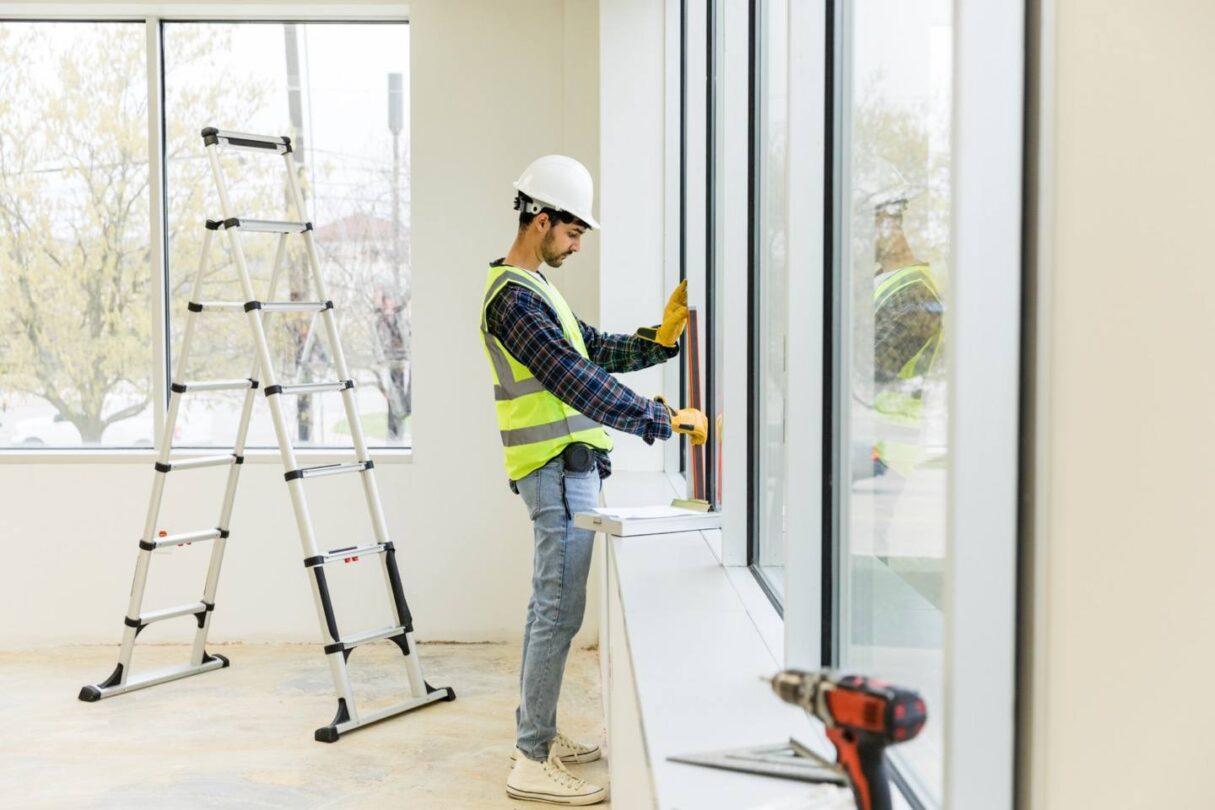
10 innovations helping contractors evolve for the future
Exoskeletons, drones, and AI-powered software; explore 10 exciting innovations that are transforming the construction industry and helping contractors evolve for the future.
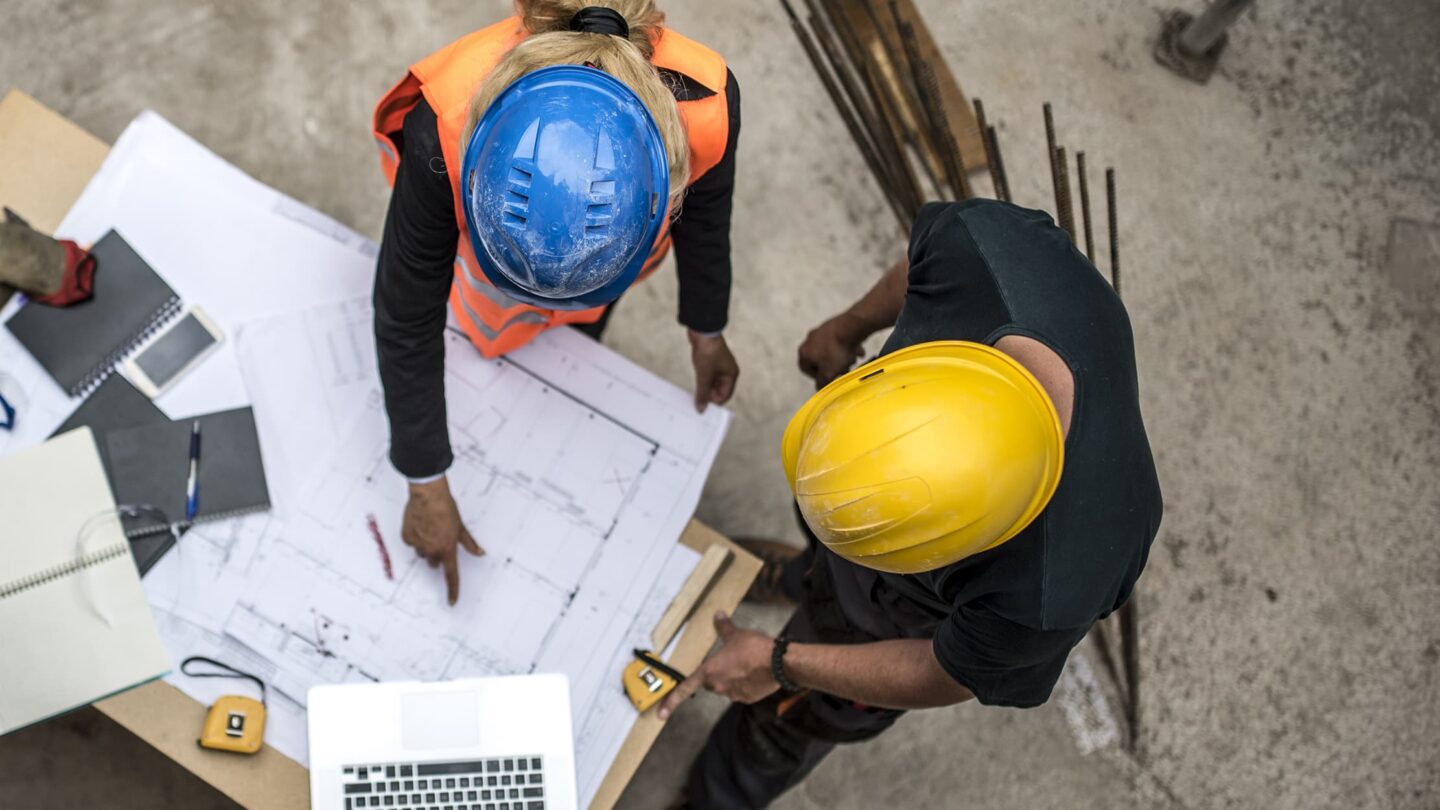

Construction is one of the largest industries in the world but has historically been one of the slowest to embrace, and innovate with, automation technology.
That’s beginning to shift, driven by rising demand, ongoing labor shortages, and the urgent need to boost efficiency in the face of escalating costs.
There’s also been significant advancements in the technology itself, which is inspiring confidence in its adoption across the industry.
Contractors are adopting new tools for design visualization, safety training, site analysis, and project planning, which leads to more streamlined project delivery, better cost control, reduced waste, and stronger collaboration.
In Dubai, for example, 3D printing has cut high-rise labor needs by 40%.
Meanwhile, Brazilian firms have reduced overtime by 25% with AI-driven scheduling and Japanese construction sites have seen 60% fewer injuries since introducing exoskeleton technology.
Curious about the future of construction? Read on to explore 10 innovative technologies that are transforming the future of the industry.
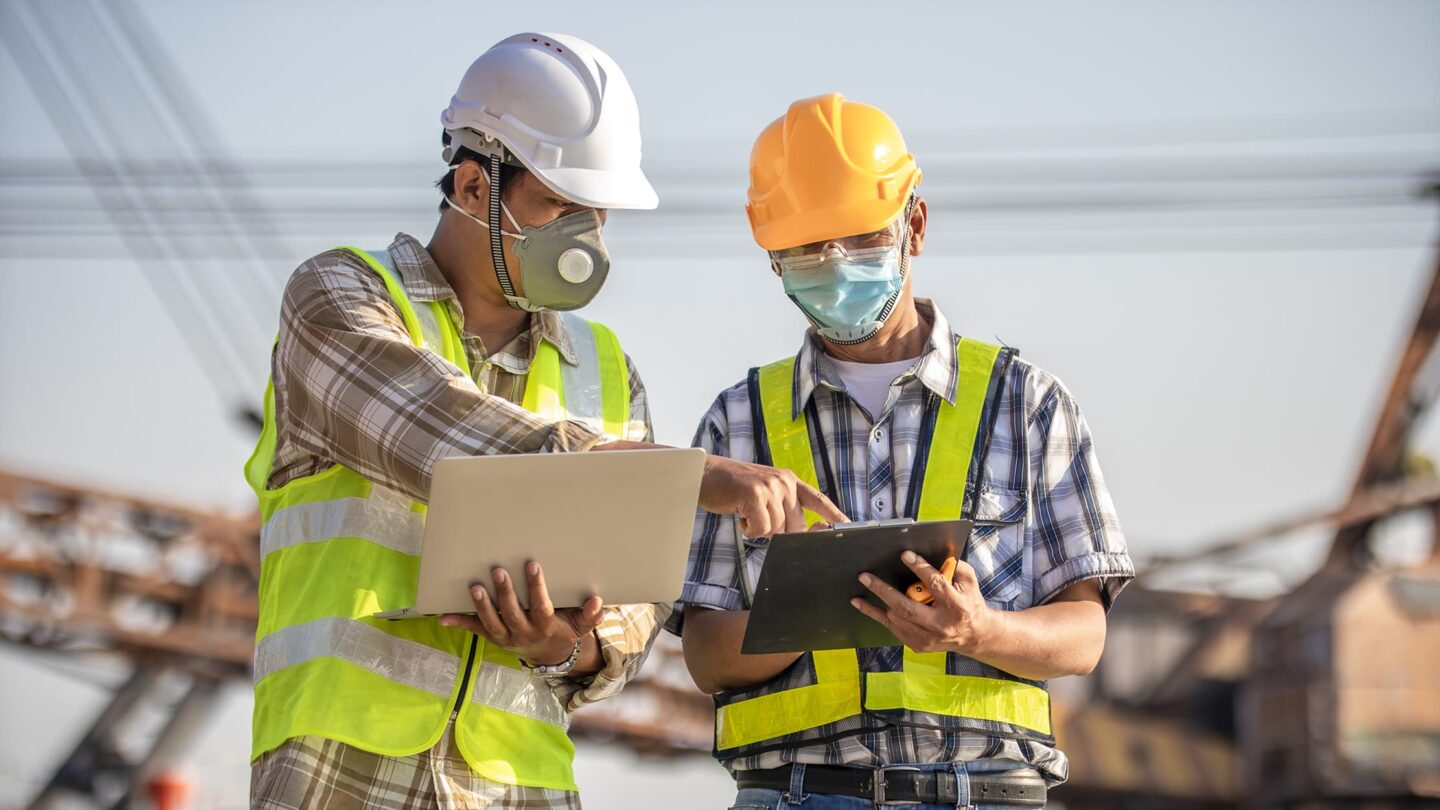
Robotics
Robotic systems help your business with physically demanding tasks and could be key in addressing construction’s labor shortage.
Robots can perform repetitive tasks efficiently and quickly, which reduces project timelines and associated costs.
Plus, when automated systems are used for tasks such as excavation, welding, and demolition, they can reduce human error and improve safety.
Drones
Many contractors are using drones for site surveys and inspections, which helps with monitoring project progress, identifying hazards and issues that aren’t visible from the ground, and improving site security.
You can also use drone technology to transport materials to remote or hard-to-reach areas.
Cloud ERP software
If your construction finance team is relying on manual workflows, they can easily become overwhelmed when the business grows.
Closing the books each month is time-consuming, not to mention the added burden of audit preparation and chasing down client payments.
With cloud ERP software that integrates with other tools, repetitive tasks can be automated.
This frees up capacity for your finance teams to focus on more strategic work and provides the insights that enable C-suite leaders to make more informed decisions.
3D printing
3D printing enables you to create parts and components by converting digital plans into physical structures, even when made of materials such as concrete, plastic, and metal.
It provides contractors with greater design flexibility, reduces timelines and labor costs, while also minimizing waste and bypassing supply chain issues.
Last year, the world’s largest 3D-printed villa was unveiled in Dubai. The 303-square-metres building took just 190 hours to print.
Wearable technology
Much of the wearable technology being used on site is focused on improving the safety of workers.
There are connected hardhats, which monitor location, motion, and temperature; smart watches and fitness trackers to monitor your workers’ health; smart boots that monitor safety and help prevent incidents; and smart glasses that can provide additional information to workers via AR.
Plus, some workers are using exoskeletons, which assist with lifting heavy materials and minimize the risk of back, shoulder, and arm injuries.
Agentic AI
Autonomous systems that make decisions and can perform tasks for you without human intervention are being used in construction to detect and correct building code violations, create 3D modelling, and automate compliance checking (such as making sure COIs and lien waivers are in place).
The technology can also help you speed up bid, budget, and report writing, as well as automate repetitive routine tasks in client services, finance, marketing, and more.
GPS tracking
GPS tracking is used in connected safety vests to help find workers in an emergency, and to geofence a job site to prevent teams from fraudulently clocking in early or late.
This technology is also being used to track and manage construction equipment.
The tracker will typically transmit status updates when events are triggered (e.g. starting the engine) and provide location updates.
This helps protect your assets from theft, better inform maintenance and depreciation schedules, and identify opportunities to improve equipment productivity.
Virtual and augmented reality (VR and AR)
VR and AR enable contractors to visualize building designs and layouts in real time with digital twin technology; a virtual representation of a design that mirrors the behavior and characteristics of its physical counterpart.
Contractors can run simulations and evaluate options, identify design flaws, and make changes before construction begins.
This reduces rework and minimizes costly mistakes.
VR and AR are also being used to elevate training material and improve the workforce, as well as provide additional information to workers on site.
Project management software
Project management software helps contractors connect siloed tools and workflows, use AI to plan worker scheduling, and enhance communication.
This could drive significant improvements for you. One study found that 48% of all construction rework in the US is due to miscommunication and poor project data handling.
Software boosts your visibility and enables better, data-driven decisions to be taken by all involved in the project, whether they’re on site or in the office.
Building Information Modeling (BIM)
BIM is similarly revolutionizing the planning stages of construction projects.
It uses 3D modeling to create a virtual representation of a building (its structure and components) before it’s constructed.
Firms can better identify potential risks, improve the planning process, increase safety, and reduce errors and re-work.
Combined with VR and AR, this 3D model can become multi-dimensional—8D models, for example, include all of the site’s components and safety information including fencing, storage areas, scaffolding, machinery, and signs.
You can also use BIM to help create a digital twin that provides a dynamic, living model, mirroring real-time behavior and performance of the structure throughout its lifecycle.
This, in turn, will empower you to make better informed decisions on upgrades, expansions, or decommissioning.

A new era for construction
Contractors now have a wide range of technologies to choose from, which help streamline projects, improve on-site safety, and reduce costly mistakes.
It’s an exciting time for construction, but the sheer number of options can be overwhelming.
The right choice for you depends on your priorities and the challenges you want to address first.
The solution should be scalable, so it continues to provide value as your business grows, and capable of integrating with your existing systems to minimize disruption.
You’ll also need to make time for staff training to encourage adoption and unlock the technology’s full value.
From talent to tech
Learn more about how contractors are positioning themselves for success in the year ahead

Subscribe to our Sage Advice Newsletter
Get our latest business advice delivered directly to your inbox.