How to start a small business in the UK
Starting a business requires research and dedication. Got a great idea but unsure where to start? Use our free small business toolkit today.
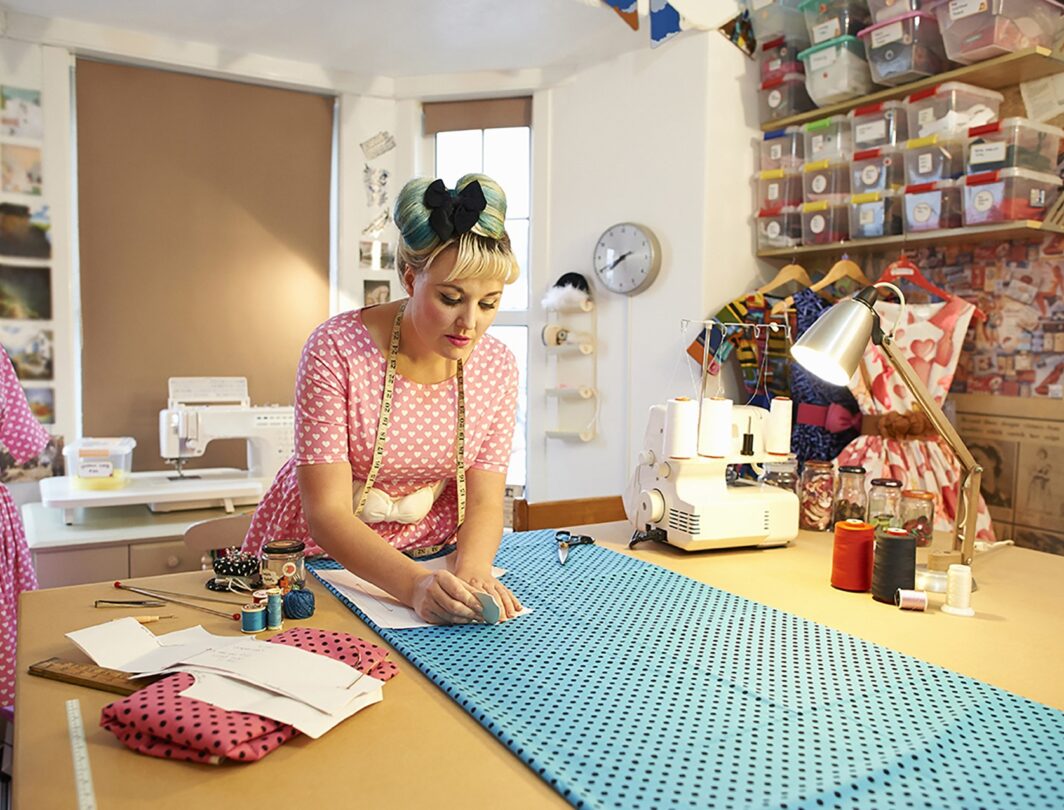

To start a small business in the UK, you’ll need to choose a business structure, register your business, plan your finances, understand your tax responsibilities, and set up the right tools, records, and insurance.
It’s a lot to take on, especially when you’re juggling the excitement of a new idea with the reality of paperwork, regulations, and decisions that can feel high-stakes. Whether you’re turning a side hustle into something serious or launching a venture from scratch, knowing where to start makes all the difference.
Getting the foundations right will save you a lot of headaches down the line. A bit of expert advice can help you get off to a strong start, and our free small business toolkit can make it even easier to hit the ground running.
Here’s what we cover:
What to think about before starting a small business
Before starting a small business, you need to test whether your idea is commercially viable, understand who your customers are, and identify the practical, financial, and legal requirements involved in getting it off the ground.
First, take a moment to pressure-test your idea. You don’t need every detail worked out on day one, but you should have a clear sense of what you’re selling, who you’re selling to, how you’ll make money, and what support you might need along the way.
This early thinking can help you choose the right business structure, understand your start-up costs, and avoid common admin surprises once you begin trading. It can also make the next steps feel less like disconnected tasks and more like part of a clear plan.
A few useful questions to ask include:
- What problem will your business solve?
- Who are your ideal customers?
- Will you run the business from home, online, or from dedicated premises?
- What equipment, materials, or software will you need?
Will you manage your finances yourself or work with an accountant?
What are the steps for starting a small business in the UK?
To start a small business in the UK, you’ll need to choose the right business structure, register your business, plan your finances, meet your tax obligations, keep accurate records, and put the right tools and protections in place.
If you want to create a business, these steps are a good place to start.
Step 1: Choose your business structure
The first step is deciding what kind of business you’re going to create.
You might want to become self-employed as a sole trader. Or you may want to create a limited company, something known as incorporation.
There’s also the possibility of a partnership, which is somewhere between the two, but this is much less common because self-employment or a limited company tick most peoples’ boxes.
A sole trader is the simplest kind of business entity, and legally, it comprises just one person: yourself. Doing your accounting is therefore pretty straightforward: After you’ve deducted tax, National Insurance, and expenses, whatever’s left is yours.
However, as a sole trader, you’re also personally liable for debts your business might create.
The benefits of a limited company are immediate. It’s a legal entity in itself, so it can take on debts and can own things such as cars, equipment, and properties.
The limited company will pay you a salary, and if it’s just you in the company, you’ll be considered the director as well as the shareholder, so you can claim dividends, too.
The downside of a limited company is increased complexity. The company will have to pay corporation tax, and the paperwork for a limited company can be difficult to understand, although a good accountant can help.
It’s wise to speak to an accountant about your plans for other reasons, too. Accountants have bags of experience that they’re always happy to share, and they can point you in the direction of free funding.
Step 2: Name and register your business
Once you’ve chosen your business structure, you’ll need to name the business and complete the right registration steps.
If you’re becoming self-employed, you’ll need to register as a sole trader with the tax office, HMRC. If you’re setting up a limited company, you’ll need to register the company with Companies House. The government itself can guide you in this part of the process with its “start your business” guide.
Your business name should be clear, memorable, and suitable for the kind of work you do. If you’re setting up a limited company, you’ll also need to check that your chosen name is available and follows Companies House rules.
An accountant can help here, too. They can register you as self-employed or create a company for you, depending on which structure is right for your plans.
Let your business thrive with an expert on your side
Explore the Sage Accountant and Bookkeeper directory to find an expert suited to your location, industry, and business needs. Connecting with a powerful partner is just a few clicks away.

Step 3: Create your business plan
If you’re serious about creating a business, you’ll need a business plan—and lots of advice on the processes and small business solutions to put in place.
For most people, creating a business plan is one of the hardest tasks they undertake in the early days of their business.
Thankfully, help is available.
There are lots of business plan examples and templates online, including some here at Sage Advice. These are an excellent starting point because they ask questions that need to be answered if you hope to attract interest, and investment, in your business.
At a minimum, you should include the following:
- A description of your business and objectives.
- Your products or services and their pricing.
- Who you anticipate your customers to be.
- Who you consider your competitors.
- What people will be involved, in terms of staffing, existing investors, or even mentors.
- Where and how you’re going to operate the business.
- Whether you’ll need a dedicated space, such as an office.
- Whether you’ll need a vehicle.
- What equipment, materials, supplies, or other assets you’ll need.
- How you intend to make your business a success.
- Any key financial figures.
- The volume of sales you expect.
- Profit-and-loss statement projections for the first three years.
- The level of investment required.
Really dig down into details and be as pragmatic as possible.
Step 4: Secure funding and open a business bank account
Once you know what you need to start your business, you can work out the financial details.
Your business plan should outline the level of investment required.
If you’re unsure which funding or tax routes might apply to you, professional advice can help you avoid mistakes early on. Good accountants can even point you in the direction of free funding.
You should also speak to a bank, or sign up online, to create an account specifically for your business, even if you’re planning to be a sole trader.
The taxman has the legal right to examine your business accounts, and if you use your own bank account, it can become intrusive.
Step 5: Understand your tax responsibilities
Tax is one of the most important areas to understand when starting a small business.
If you’re self-employed, you’ll usually pay Income Tax and Class 2 and Class 4 National Insurance through Self Assessment. If you run a limited company, the company will have to pay corporation tax, and you may also need to pay tax on your salary and dividends.
You’ll also need to consider whether to register for VAT. This may be required if your taxable turnover goes above the VAT registration threshold, but some businesses choose to register voluntarily before they reach it.
Your tax responsibilities will depend on your business structure, your income, and how you operate, so this is another area where speaking to an accountant can help.
Step 6: Set up your financial record-keeping
Good financial records make it easier to understand how your business is performing, complete tax returns, and stay prepared if HMRC asks to review your accounts.
You’ll need to keep clear records of money coming in and going out of the business. This might include invoices, receipts, expenses, bank statements, payroll records, VAT records, and details of business assets.
A simple, consistent record-keeping process will make tax returns, cash flow planning, and business decisions much easier to manage. It will also free up time for you to dedicate to improving the business.
A good cash flow forecasting spreadsheet can also help. You can use it to predict funds flowing in and out of your business over the next 12 months, which is vital if you want to address any cash shortfalls early.
Step 7: Choose the right accounting software
Using the right tools from day one will significantly reduce the amount of admin work you have to do—and leave more time to pursue your dreams and goals.
Good accounting software will issue and send invoices for you, for example, and even chase them up.
It will also help you keep financial records, manage cash flow, track expenses, and stay on top of your tax responsibilities.
Step 8: Get the right business insurance
Before you start trading, you should also consider what business insurance you may need.
The right cover will depend on what your business does, whether you work with customers in person, and whether you employ anyone.
For example, you may need public liability insurance, professional indemnity insurance, employer’s liability insurance, or cover for business equipment, vehicles, or premises.
Taking time to get the right insurance can help protect your business if something goes wrong, and it may also be required by clients, landlords, lenders, or regulators.
Download your small business toolkit today
Our free small business toolkit is all you need to get your business started. It comprises three downloads:
- Guide: this information-packed guide is designed to help you achieve success by addressing typical challenges encountered by small businesses in the first few years. It includes potential funding sources that all businesses need to know about.
- Business plan template: this lets you update or complete your strategy for success. All you have to do is follow the instructions in each section, entering your own information.
- Cash flow forecast template: this can be used to predict funds flowing in and out of your business over the next 12 months. This is vital, and you can use it along with the advice in our guide to address any cash shortfalls.
Small business toolkit
Get your free guide, business plan template and cash flow forecast template to help you manage your business and achieve your goals.

Frequently asked questions on starting a small business in the UK
The cost of starting a small business in the UK varies widely depending on what you do, how you operate, and whether you set up as a sole trader or limited company.
Some businesses can start with relatively low upfront costs, especially if you work from home, use equipment you already own, and register as self-employed.
Your start-up costs may include registering the business, buying equipment or materials, setting up a website, paying for insurance, opening a business bank account, using accounting software, and getting professional advice.
If you set up a limited company, you’ll also need to register it with Companies House, which costs around £100.
Yes, being self-employed can count as running a small business.
In the UK, many small businesses are run by sole traders, which means one person owns and runs the business as a self-employed individual.
As a sole trader, you keep your business profits after tax, but you’re also personally responsible for any debts the business creates. You’ll usually need to register with HMRC and complete a Self Assessment tax return.
There’s no fixed limit on how much self-employed people can earn. Your income depends on your prices, costs, customers, and industry and how much work you take on.
However, the more you earn, the more important it becomes to keep accurate financial records, understand your tax responsibilities, and plan for payments such as Income Tax and National Insurance.
If your taxable turnover goes over the VAT registration threshold, or you expect it to, you’ll also need to register for VAT.
Self-employed people have tax requirements, but they’re not exactly the same as limited companies.
If you’re self-employed as a sole trader, you’ll usually pay Income Tax and Class 2 and Class 4 National Insurance through Self Assessment.
A limited company is a separate legal entity, so it has different tax and reporting responsibilities, including Corporation Tax. Both sole traders and limited companies may also need to register for VAT if they go over the VAT threshold or expect to.
The easiest small businesses to start in the UK are usually those with low upfront costs, simple equipment needs, and no requirement for dedicated premises.
Examples might include freelance services, consulting, tutoring, cleaning, online selling, pet services, home-based creative businesses, or local trades.
That doesn’t mean that these businesses require no planning. You’ll still need to think about your business structure, pricing, customers, tax, insurance, financial records, and whether you need any licences, qualifications, or specialist equipment.
You may be able to start a small business with very little money, especially if you already have the skills, equipment, and space you need.
For example, a service-based business can often be cheaper to start than one that needs stock, vehicles, premises, or specialist machinery.
Even so, it’s sensible to map out your costs before you begin. Your business plan should cover where and how you’ll operate, what materials or assets you’ll need, how you’ll fund the business, and what financial support might be available.
Subscribe to the Sage Advice newsletter
Join more than 500,000 UK readers and get the best business admin strategies and tactics, as well as actionable advice to help your company thrive, in your inbox every month.

Browse more topics from this article
Explore more wisdom

Cash flow forecast template for UK businesses: Free download now
A cash flow forecast shows what money you expect to come in and go out of your business, so you can spot potential shortfalls earlier. Find out how to build and update one, and download our free UK cash flow forecast template to get started.